
Image: FOX News
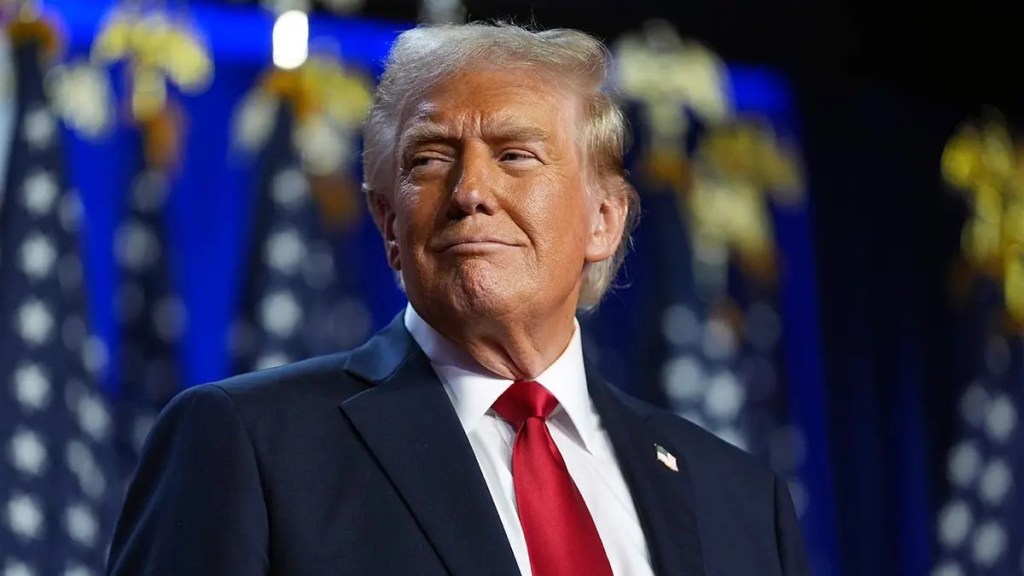
On Friday, President Donald Trump reaffirmed his commitment to putting America first by announcing a tariff policy designed to hold foreign nations accountable for exploiting U.S. trade policies. The administration confirmed that tariffs would take effect Saturday morning against Canada, Mexico, and China, countries that have long benefited from one-sided trade agreements.
By Saturday morning, Canada faced a 25% tariff on its imports to the U.S., along with a 10% tariff on energy. Mexico saw a 25% tariff applied to all imports, while China was subjected to a 10% tariff.
The tariffs were rolled out ahead of the weekend to allow time for negotiations, while also not disrupting the stock market. The move signaled to foreign governments that the United States was no longer willing to tolerate policies that undermine American workers and industries.
Unlike treaties, which require congressional approval and often involve lengthy political gridlock, tariffs are a powerful tool the president can use immediately to protect American interests. This authority is granted through legislation, such as the Tariff Act of 1930, Section 301 of the Trade Act of 1974, and Section 232 of the Trade Expansion Act of 1962. These laws allow the president to impose tariffs when national security or economic stability is at risk.
Image: Washington Retail Association
How do tariffs work?
For instance, if an imported good valued at $20,000 is subject to a 25% tariff, the cost of that good rises to $25,000, with the tariff applied at the point of importation. This ensures that foreign companies no longer have an unfair advantage over American manufacturers and that the U.S. economy remains strong.
Beyond the economic concerns, tariffs have become an essential tool in addressing the nation’s border crisis. The Trump administration identified fentanyl trafficking, illegal border crossing, and weak border enforcement as direct threats to it’s American communities. By applying economic pressure through tariffs, the U.S. is ultimately forcing Canada and Mexico to take these issues seriously and act accordingly.
The strategy is clear: If foreign nations refuse to enforce border security, the U.S. will use its economic strength to ensure compliance. A 25% tariff on Mexican imports alone is enough to significantly impact Mexico’s economy, making it in their best interest to cooperate with U.S. border security demands.
Tariffs are a long-term investment in America’s future. While tariffs may not create overnight economic gains, they lay the groundwork for a stronger domestic job market, increased industrial growth, and lower costs for hardworking American families.

Image: Capriana McMurray
Breakdown of the U.S History of Tariffs
Tariffs have historically played a central role in the U.S. economy. The only time the national debt was fully eliminated was during President Andrew Jackson’s administration, when tariffs were used to pay it off. Between 1829 and 1837, Jackson’s policies reduced the nation’s debt from $60 million to zero without the need for a federal income tax.
For more than a century, the United States operated without an income tax. It wasn’t until the Civil War that President Abraham Lincoln enacted a temporary 3% income tax as a wartime measure, which remained in effect for 10 years.
In 1895, the U.S. Supreme Court ruled that a federal income tax was unconstitutional. In response, Congress passed the 16th Amendment in 1913, granting the federal government the authority to impose an income tax. That same year, the Revenue Act of 1913 was enacted, establishing a tax rate between 1% and 6% while also reducing tariff rates from 40% to 26%.

Image: Houston Public Media
Before 1913, the majority of federal revenue came from tariffs on foreign businesses. After the introduction of income tax, the financial burden shifted to American citizens.
Many argue that tariffs helped the U.S. become a global manufacturing powerhouse. Industries such as oil, steel, and automotive production thrived under tariff protections. During President William McKinley’s administration, tariffs were set at 50% on most imports, encouraging domestic production. However, as trade policies evolved, tariffs were gradually reduced in favor of free trade.
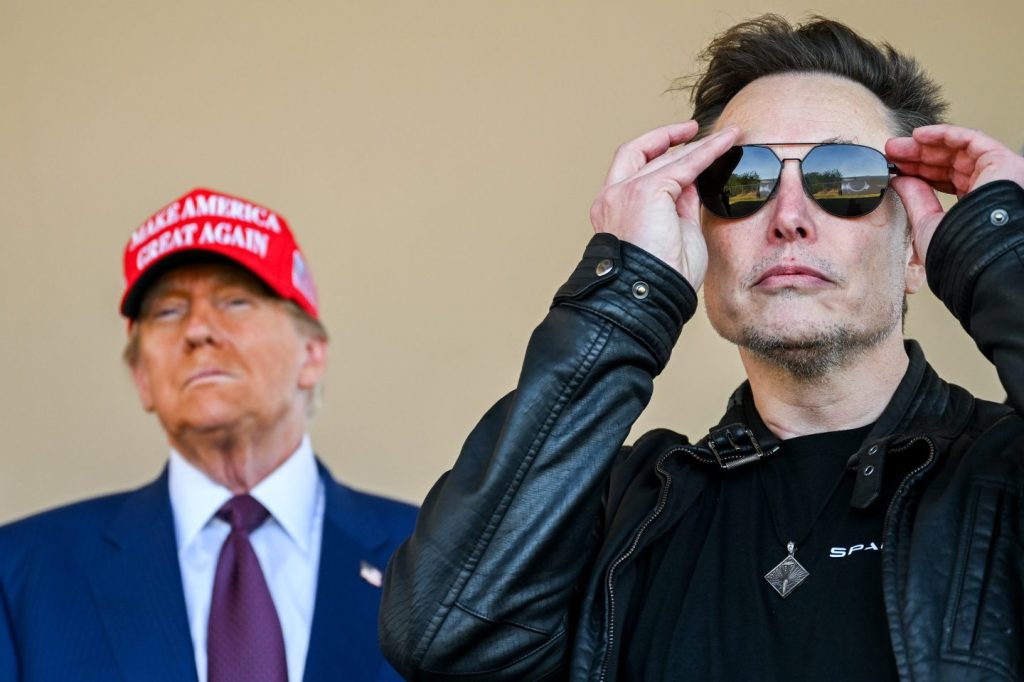
Image: Fortune
The United States is currently $36.1 trillion in debt, and under the Biden Administration, the nations debt was set at an all time high. The Department of Government Efficiency (DOGE) is working to stop the unnecessary spending and to ease the U.S national debt. According to DOGE, it is said that there was $420 million in canceled contracts in just the first 80 hours of operation.
As of Monday, Feb. 3, tariffs have been temporarily paused to allow negotiations to progress. In response to President Trump’s tariff policies, the Mexican government has deployed 10,000 troops to its southern border, aligning with U.S. efforts to strengthen immigration enforcement and address national security concerns.
Canada has since agreed to allocate $1.3 billion toward border security initiatives in response to Trump’s requests. Additionally, Canadian Prime Minister Justin Trudeau has announced plans to appoint a fentanyl czar and declare cartels as terrorists.
 Republican Voices, No Holds Barred.
Leave a comment